Development of a system for analyzing the completion of the sintering process using wide-angle thermal imagers at the discharge end of sinter machines
SCOPE OF WORK
Equipment installation site selection
Determined optimal locations for thermal imager installation and key technological parameters influencing the completion of the sintering process.
Process analysis
Technological processes were analyzed, and the correlation between acquired data sets was investigated.
Algorithm development
Developed a recommendation formation algorithm and a mathematical model.
System software development
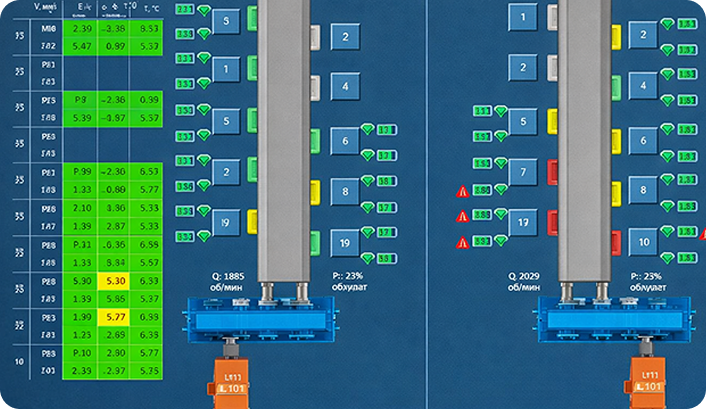
Mathematical and software support for the sintering process completion analysis system.
Sinter plant operator advisory system developed
Trial operations
Trial operation of the sintering process completion analysis system.
Instruction and training conducted
Instruction on system usage and commissioning act.
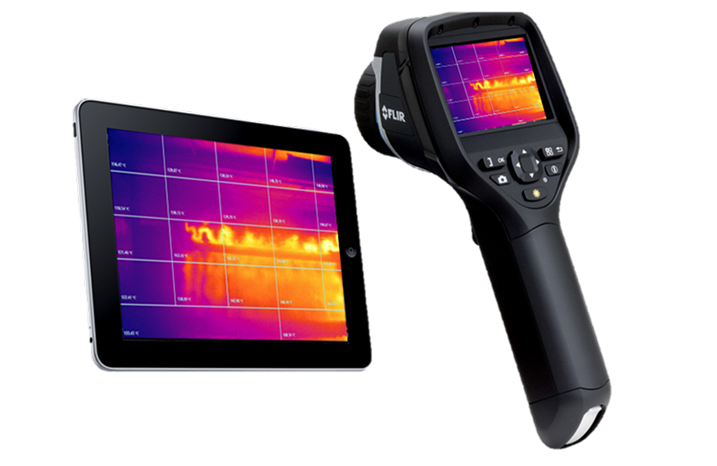
THERMAL IMAGERS
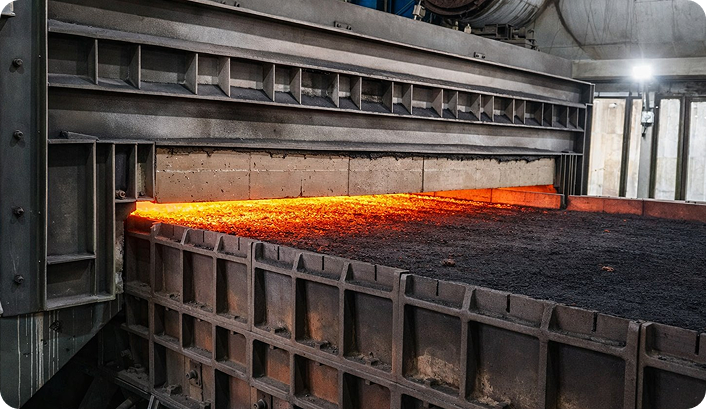
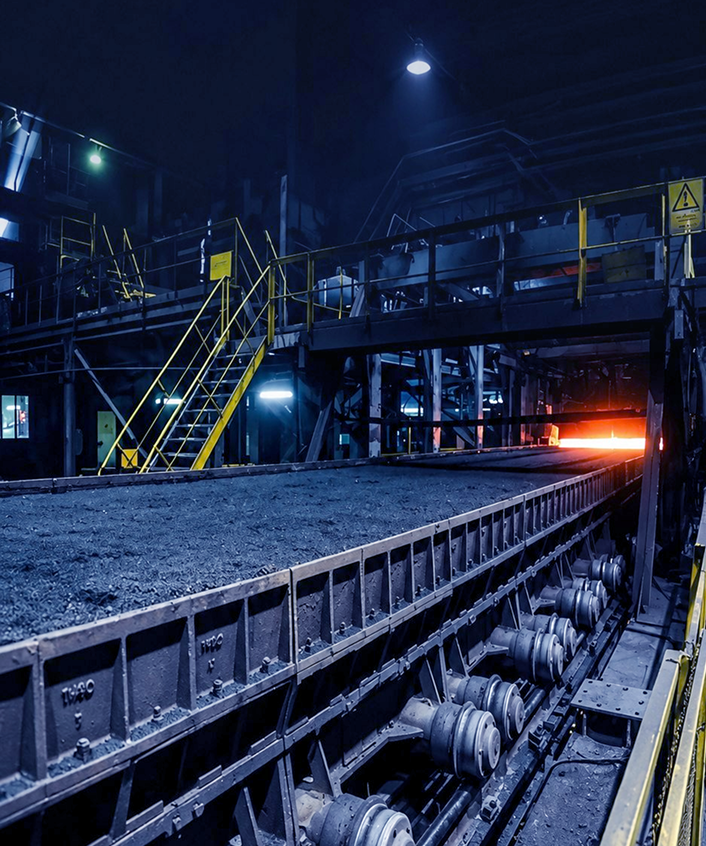
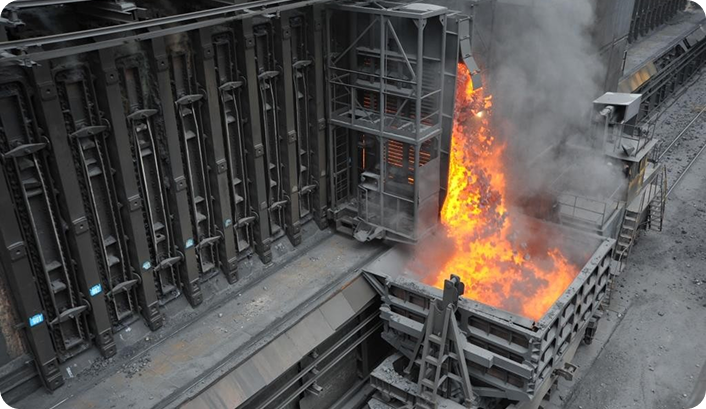
1. Wide-angle thermal imagers mounted at the discharge end of the sintering machine.
2. For correct configuration, the working zone being measured must be fully within the thermal imager's field of view.
3. Visibility zone is determined by imager position and configuration settings.
4. Installation sites are selected to ensure the target surface is in direct line of sight with an observation angle of at least 60 degrees.
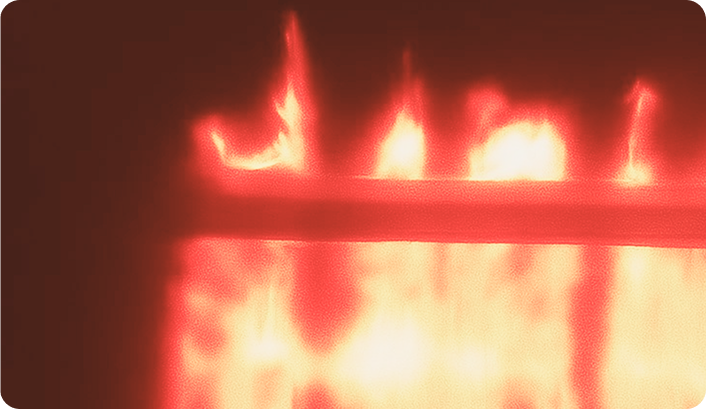
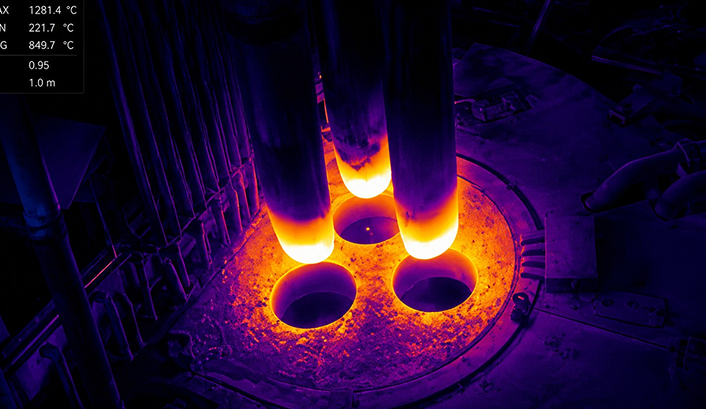
5. Results processing for qualitative analysis involves the decoding and analysis of thermograms.
6. This software complex is built using the Industry 4.0 platform ARKA v4.0.0.23.
SYSTEM PARAMETERS