Development of a system and technology for automatic detection of coke oven battery door emissions based on machine vision
ABOUT THE PROJECT
Within the framework of the project, a hardware-software complex was developed, integrating video surveillance cameras, video stream analysis modules, a server, and a workstation for the shift supervisor.
Reduction of benzopyrene emissions into the environment
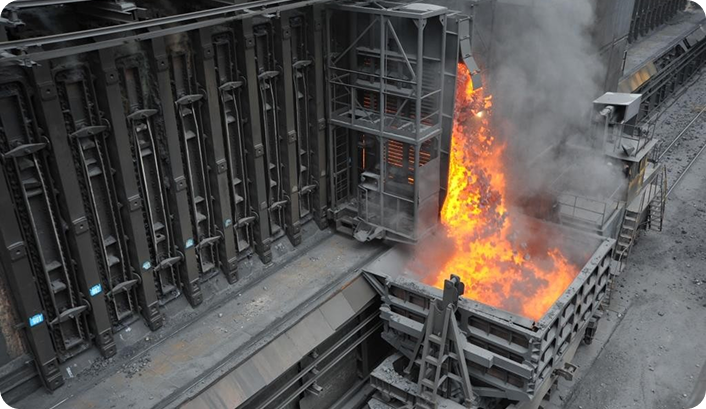
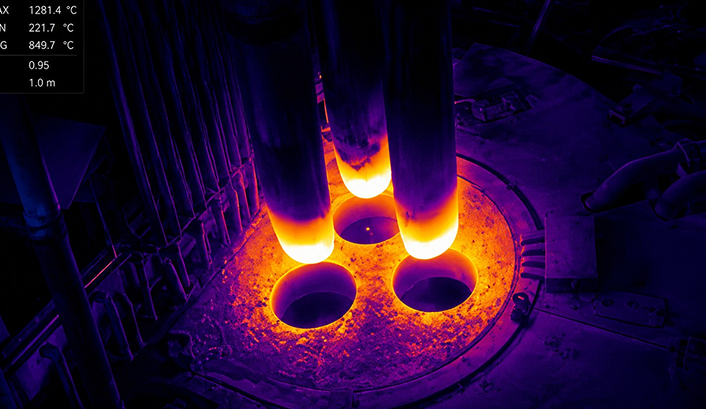
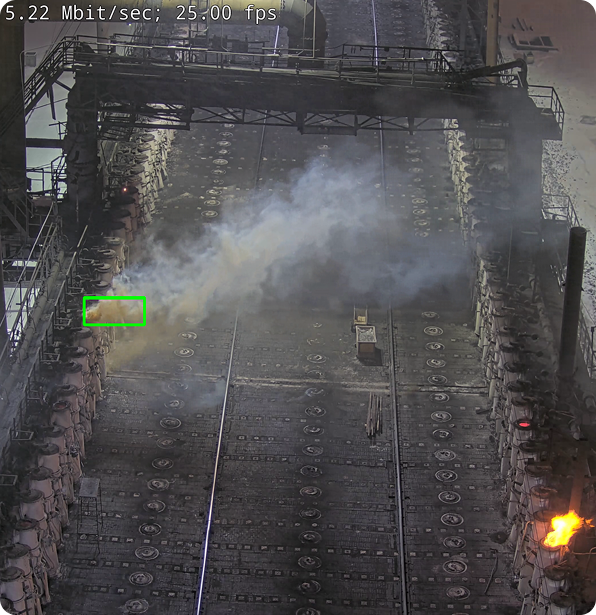
Benzopyrene is one of the most dangerous carcinogens generated during coking. Its emissions occur precisely through leaks in the coke oven battery doors (gas leakage). The machine vision system continuously scans every door, automatically detecting even small outbreaks of gas-smoke emissions.
Compliance monitoring
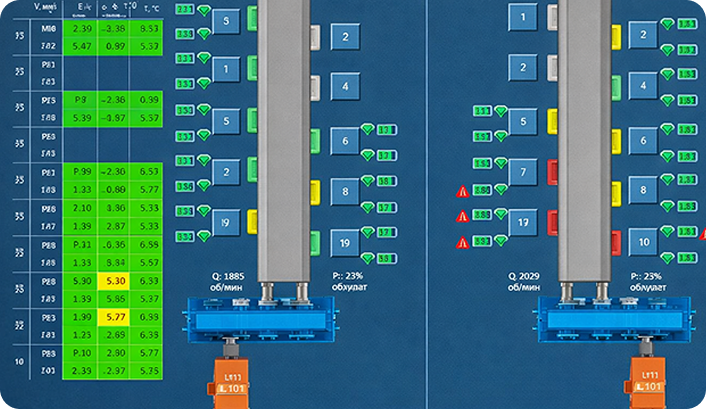
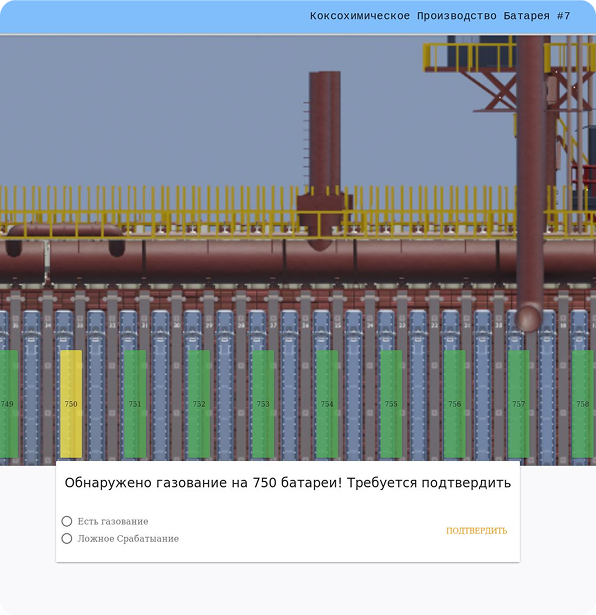
The system does not simply record the fact of gas leakage; it maintains an automatic log linked to each camera and cycle time. If a door begins to leak before or after the time established by the regulations (e.g., due to errors in coal charging or violations of the coking schedule), this is immediately registered. The technologist and shift supervisor see a color indication of violations on the HMI.
Door repair quality control
Repair quality is traditionally assessed subjectively by a locksmith or supervisor. The machine vision system provides an objective criterion: after repairs, the door is installed on the battery and automatically monitored for gas leaks over several cycles (usually 3–5). If there is no leakage or it does not exceed the permissible threshold, the repair is deemed successful.
Creation of an automatic leakage detection system
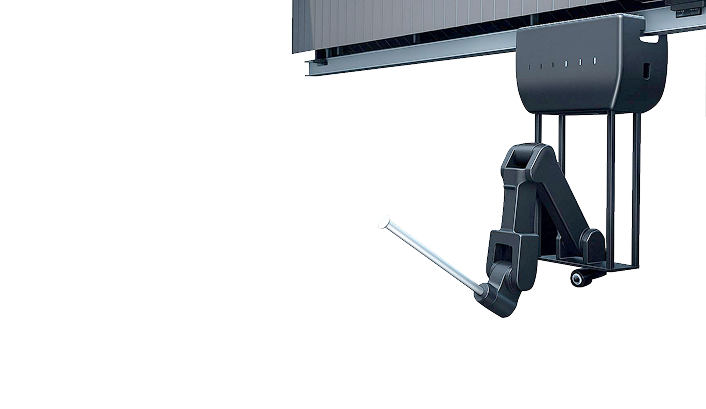
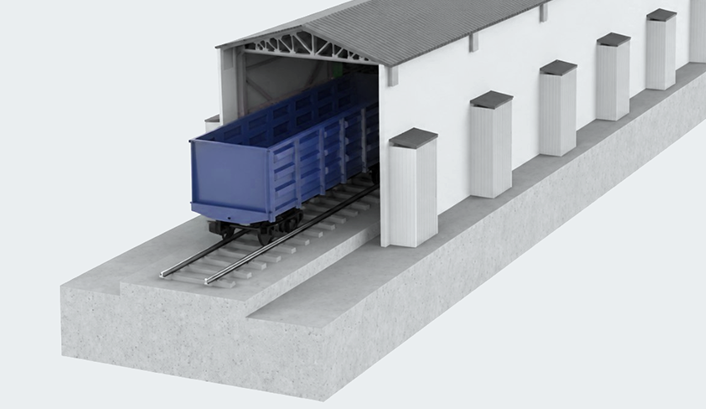
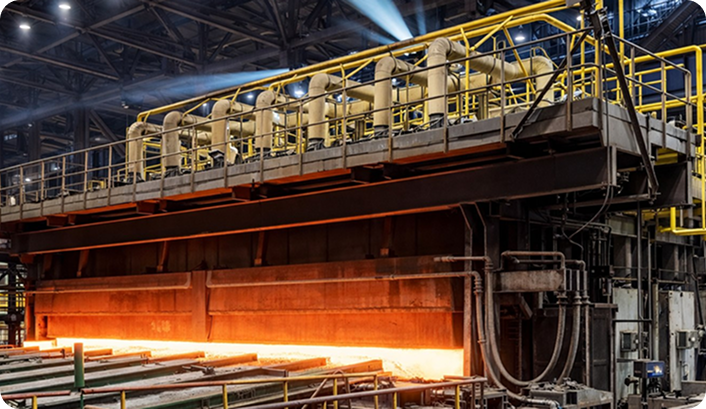
A hardware-software complex with high-resolution thermal and optical cameras installed on movable platforms along the coke oven battery was developed.
VIDEO STREAM ANALYSIS PROCESS
4 stages
Cameras
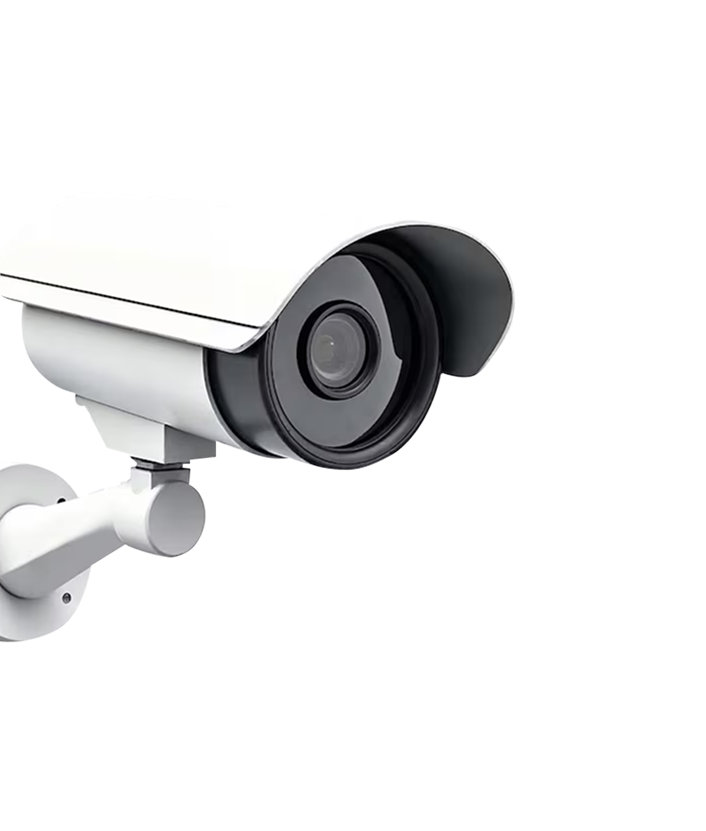
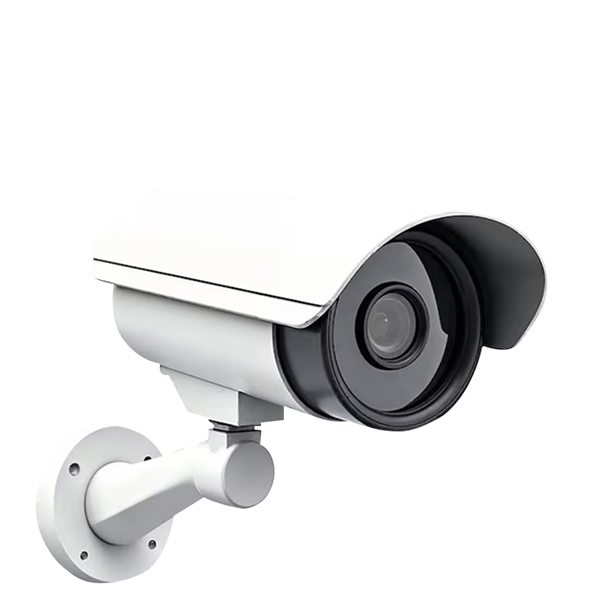
20 video surveillance cameras installed. The actual state of the coke oven battery is recorded and the image is subsequently transmitted to the computing board of the smart module.
Smart Module
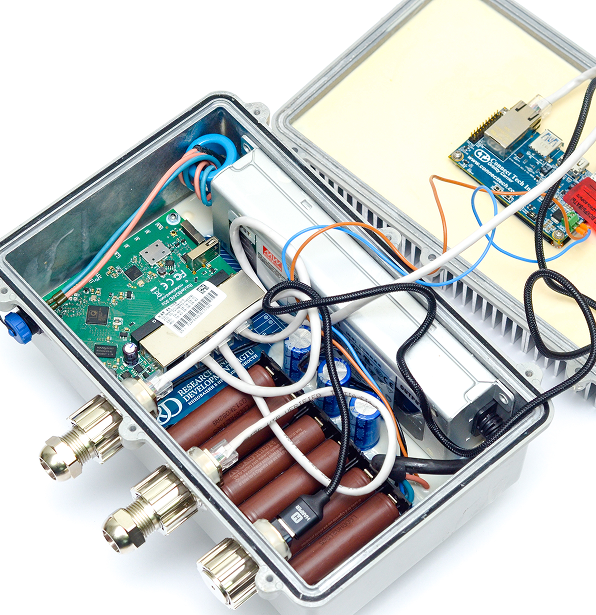
A hardware complex containing software based on convolutional neural networks. The neural network filters out battery areas obscured by any objects. Each camera is connected to a hardware-software device responsible for the analytical module's operation and data transmission to the server.
Server
The server is designed to store one month of continuous recording from the cameras and photos of gas leakage incidents for up to six months.
Workstation
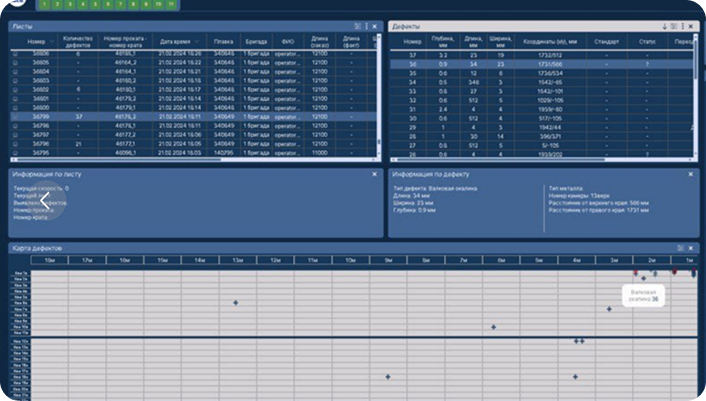
An automated workstation (AWS) is equipped to stream real-time video from the installed cameras and display the battery door status on a mimic diagram using color indication. Leakage signals are displayed in the graphical interface for technical personnel.
VISUALIZATION AND PROCESSING
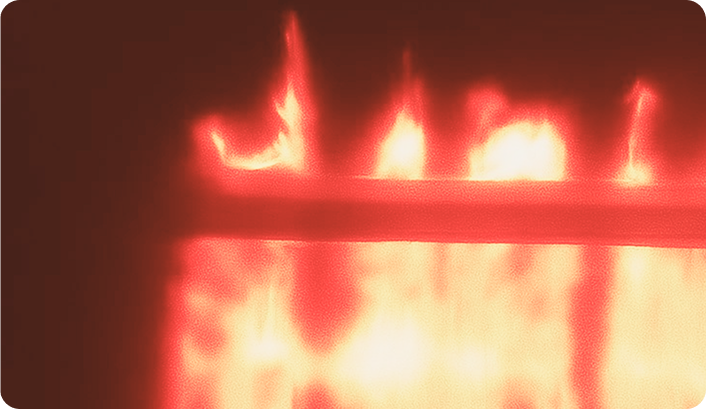
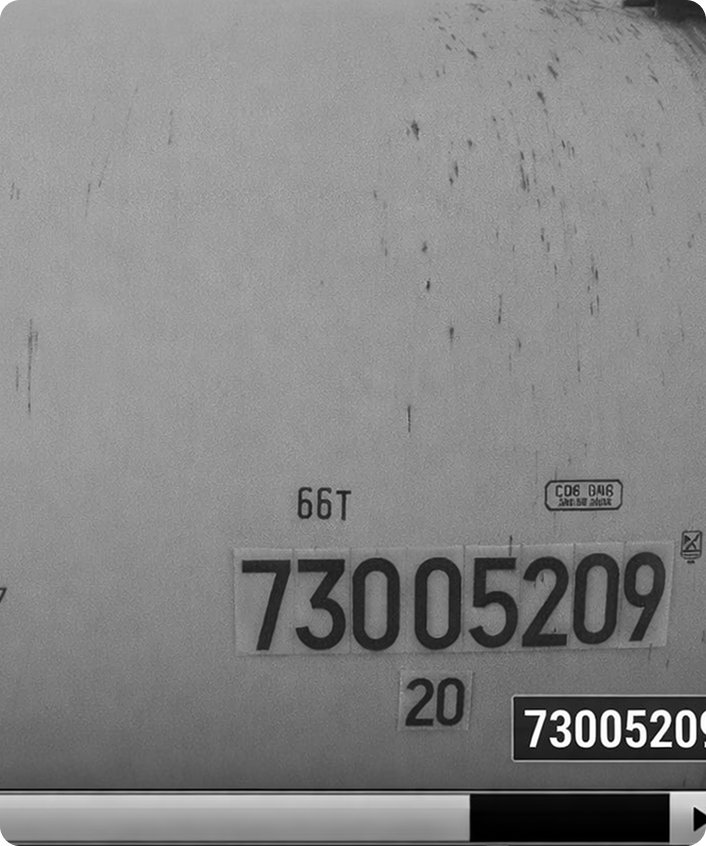
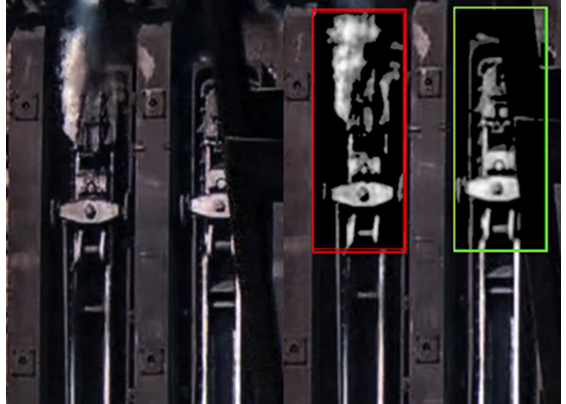
Images on the right have undergone full processing (contrast adjustment, brightness, zeroing out image areas to simplify feature formation), and are ready to be fed into the model. Results are highlighted with color indication:
Red - coke oven gas detected
Green - coke oven gas absent
Before feeding the image into the network, pixel values must be normalized to a single range and converted to float32 type. All matrix transformations are performed using the NumPy mathematical library.
RESULTS