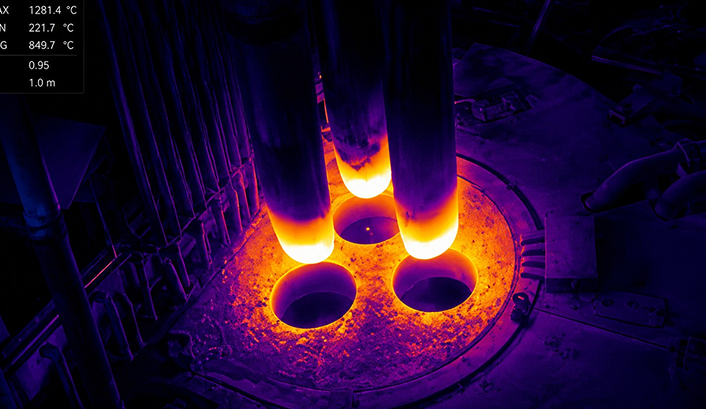
Advanced control system for electric arc furnace operation modes and electrode positioning
Reduction of graphite electrode consumption and electricity usage in arc furnaces through the implementation of control algorithms and the architecture of an advanced electric operation mode and electrode positioning control system
Drawbacks of existing systems
Lack of capability for full linearization of the furnace electrical circuit, inability to determine unique balancing coefficient values for each individual melting stage, and absence of charge melting stage diagnostics with an intelligent process for switching transformer stages, reactors, and operating curve numbers.
Proposed system
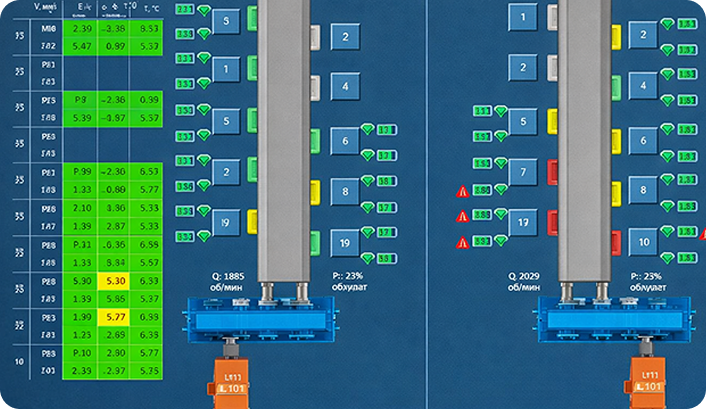
The proposed system features a non-linear adaptive impedance regulator achieved by separating the linearizing characteristics of the electrical and hydraulic circuits, with no restrictions on the shape of the linearizing characteristic. This allows for tuning the impedance control loop to a technical optimum across the entire range of working arc lengths.
Drivers of economic effect:
By 8.97%
Reduction in electricity consumption
By 3.59%
Reduction in electrode consumption
System migration
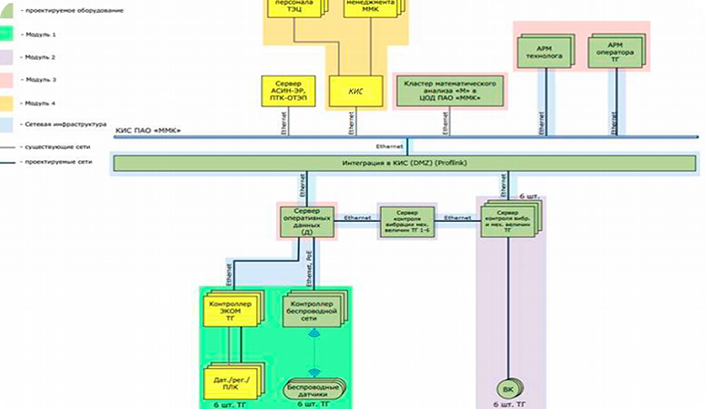
Transition from the existing control system to the new one
TECHNOLOGY DESCRIPTION
By achieving full linearization of the furnace electrical circuit using an adaptive impedance P-regulator, enabling the assignment of unique balancing coefficient values for each specific charge melting stage, and applying a melting stage diagnostic system based on higher harmonics of electric arc currents, it is possible to significantly improve the technical and economic indicators of furnace performance quality.
Approved at production sites: PJSC MMK, AMET, and MZ Balakovo
During industrial trials of the new system, it was proven that over short time intervals, the adaptive impedance regulator ensures furnace operation with a higher heating intensity coefficient and a lower standard deviation for this parameter, resulting in higher temperature gains with lower specific electricity consumption. As a result of the system's implementation, both electricity consumption and the specific consumption of graphite electrodes were reduced.
Client

Location
EAF 180 No. 2, ESPTs (Electric Steelmaking Shop)
Year
2023