Increasing the oxidation resistance of graphite electrodes by applying protective coatings
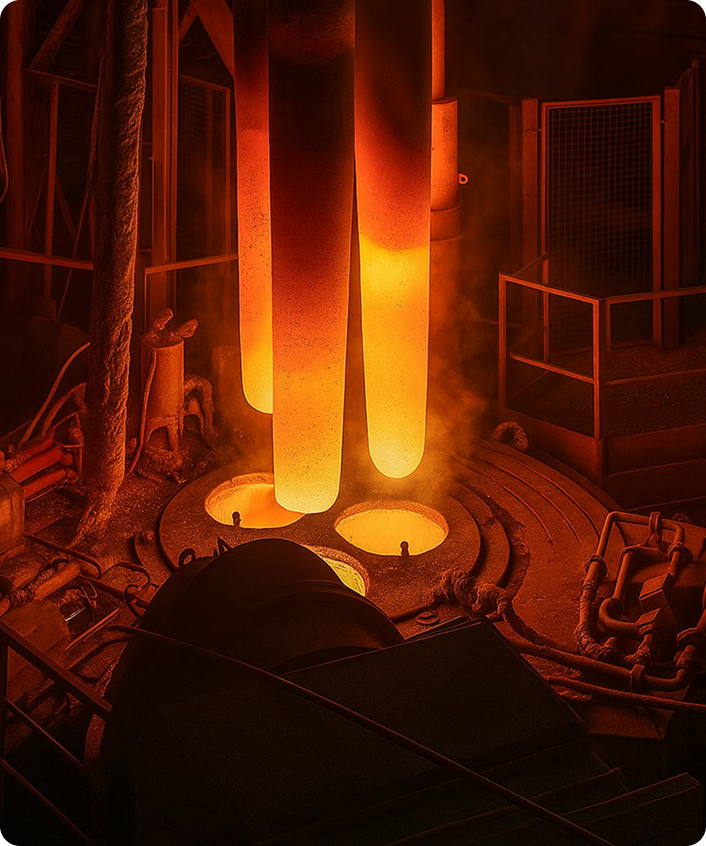
Reducing the consumption of graphite electrodes in electric arc furnaces by increasing their resistance to side-surface oxidation
Economic driver
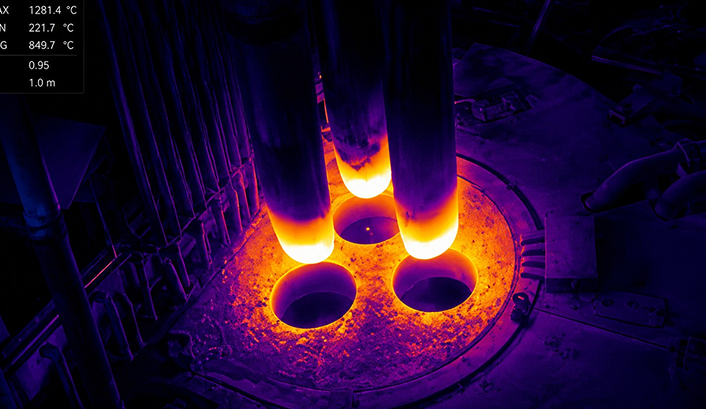
Up to 50% of electrode consumption is due to graphite oxidation on their side surfaces.
Solution
Applying an adhesive coating to the surface of graphite electrodes via impregnation, followed by metallization of the prepared surface with a molten multi-element composition (MEC) that does not cause oxidation of the protective coatings or their transfer to the contact parts of electrode holder pads.
THE PROTECTIVE COATING APPLICATION TECHNOLOGY CONSISTS OF THE FOLLOWING STAGES:
Stage 1
Impregnation of the electrode surface to improve adhesion.
Stage 2
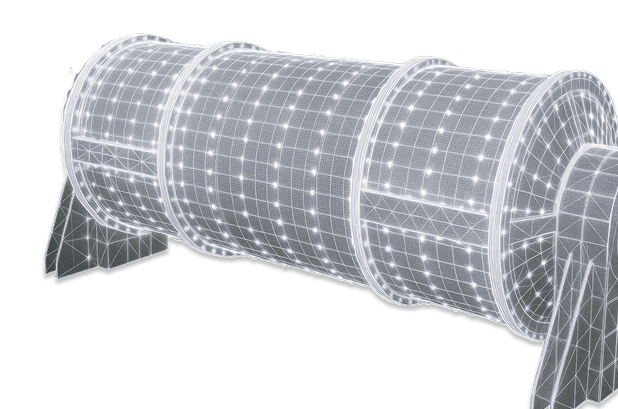
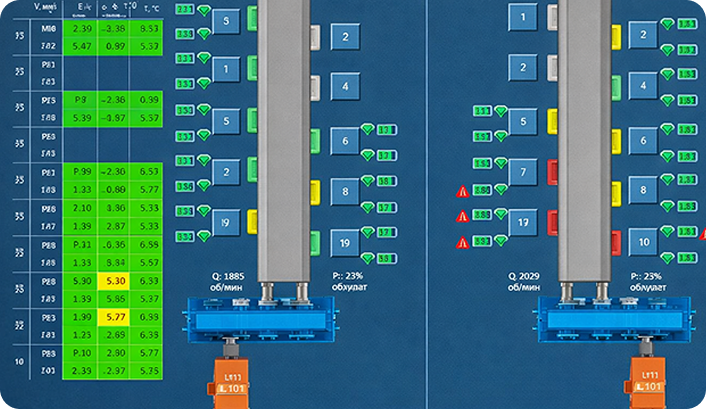
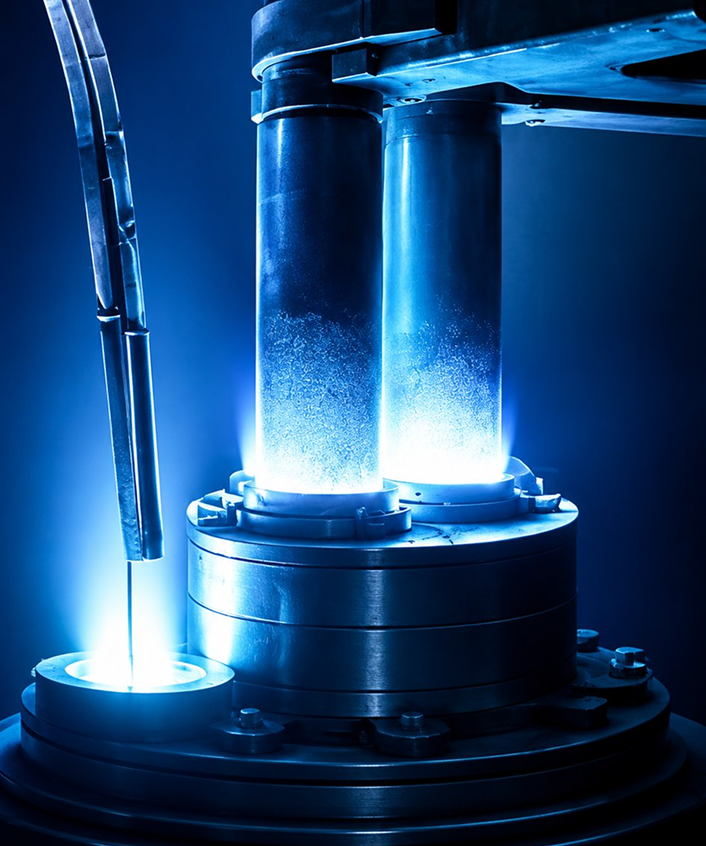
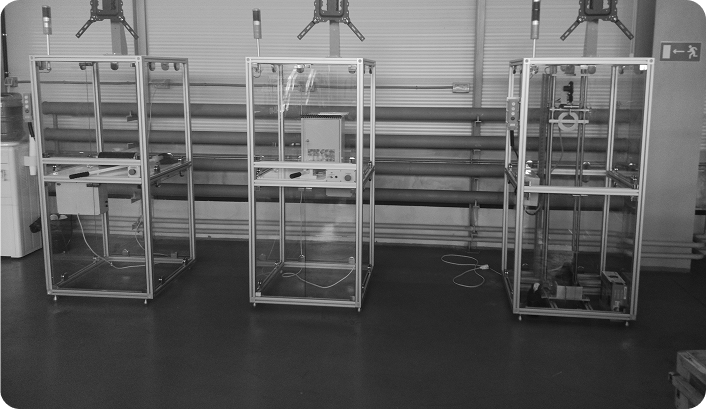
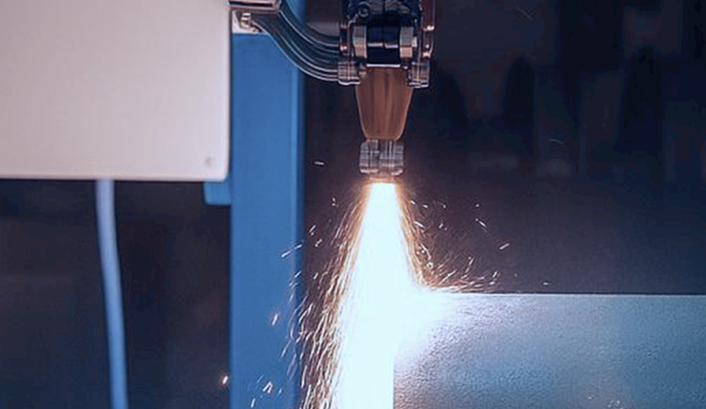
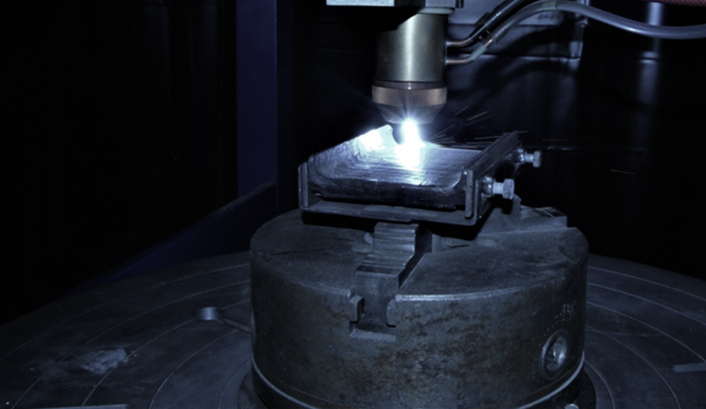
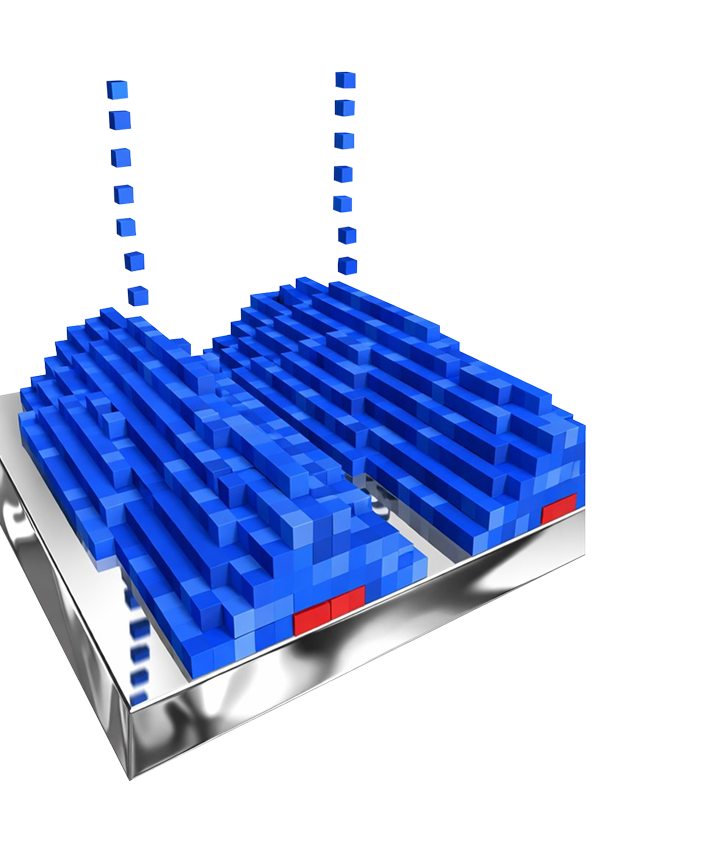
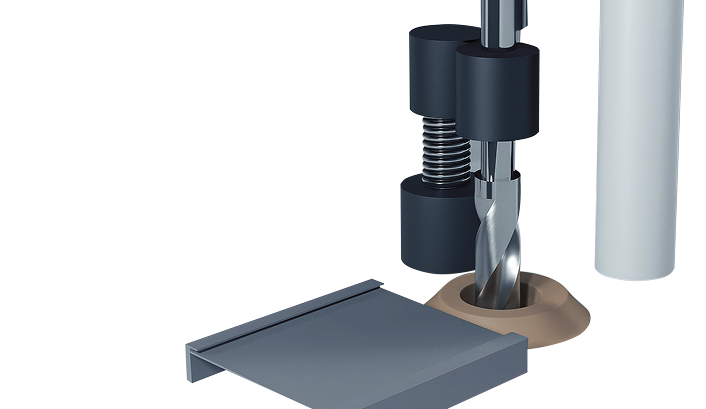
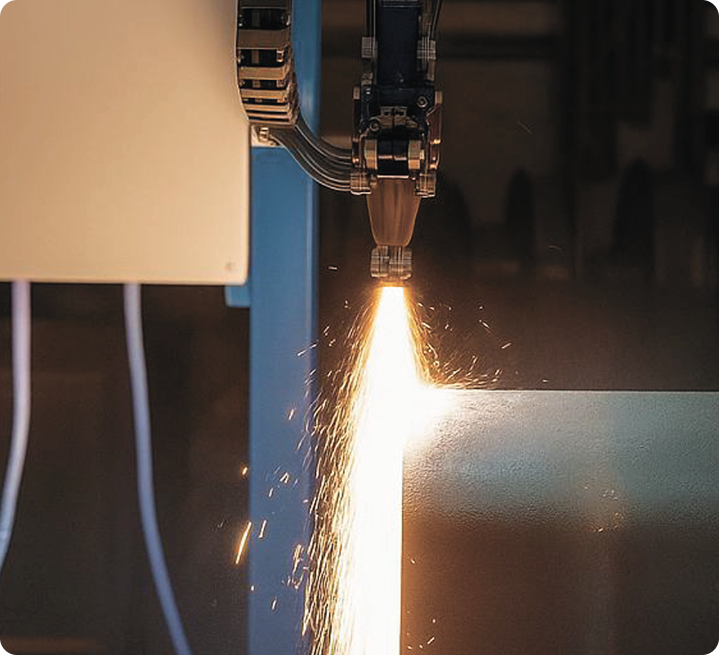
Automated application of a molten multi-element composition (MEC) via arc emission from two opposite-polarity parts. The MEC is atomized by a high-pressure carrier gas.
Stage 3
Final surface treatment with a graphite-based lacquer coating.
Effect of protective coating
15–30% savings when using graphite electrodes.
Applicability
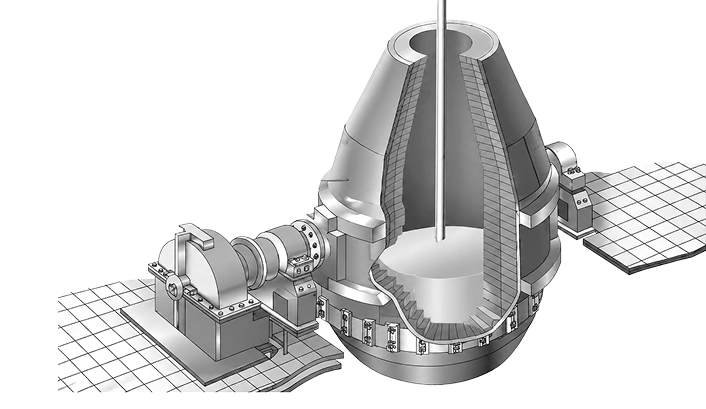
1. Specific consumption reduction. Using the protective coating application technology reduces the specific consumption of graphite electrodes in EAF and ladle furnace units.
2. Elimination of oxidation traces. The use of electrodes with protective coatings from RND MGTU LLC eliminates the occurrence of oxidation traces on protective coatings and their transfer to the contact parts of electrode holder pads.
Client

Location
Electric Steelmaking Shop (ESPS)
Year
2025