Automated mill loading control and optimal state monitoring
PROJECT IMPLEMENTATION ENABLES:
TECHNOLOGICAL PROCESS
The project aims to create a system that analyzes physical "noises" (acoustic, vibration, electrical, radiation) in real-time arising from the operation of crushing and grinding equipment. Based on this data, it automatically adjusts mill loading to achieve maximum productivity and energy efficiency.
Data sources (technological equipment)
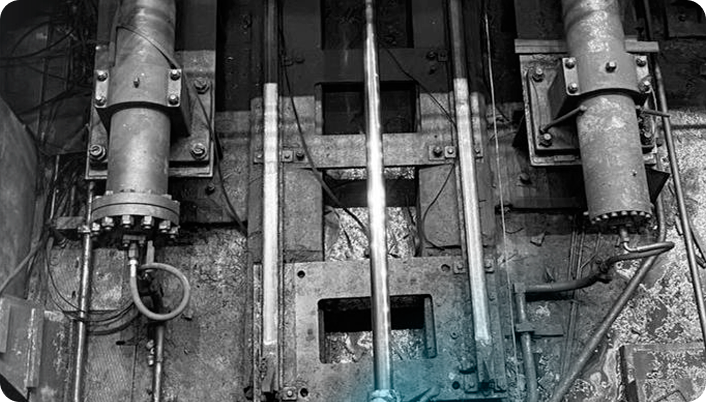
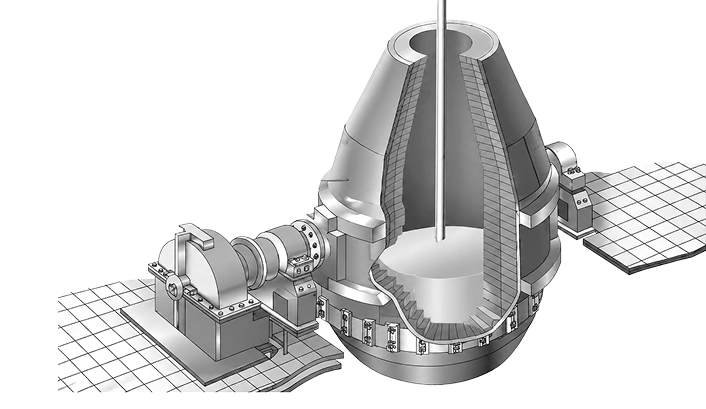
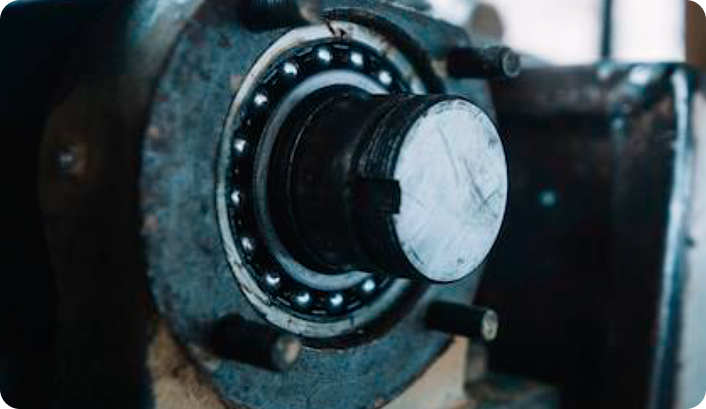
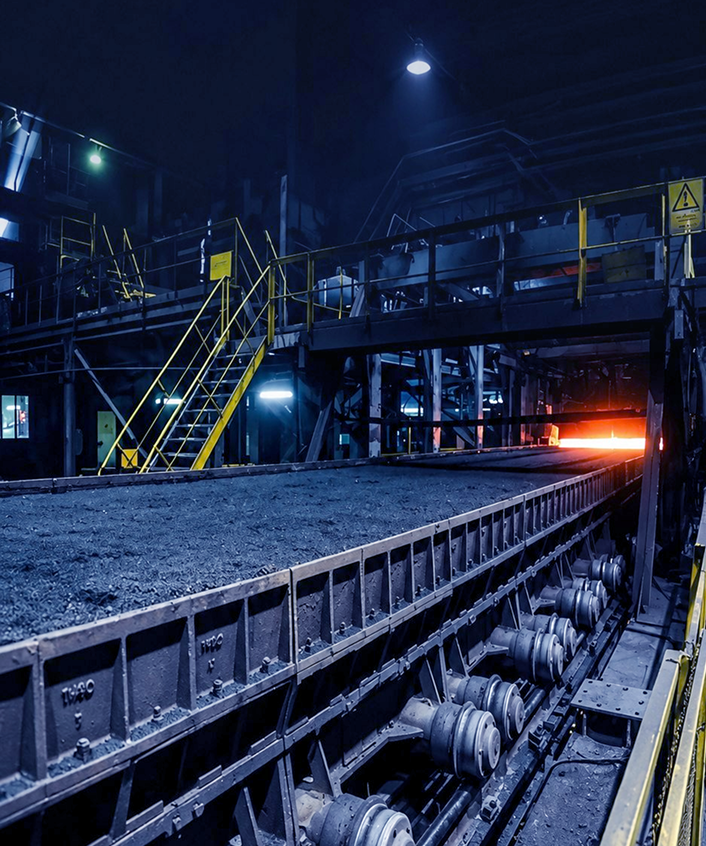
Two key units are involved in the process: a crusher for preliminary material crushing and a mill as the primary fine grinding apparatus. During the operation of the crusher and mill, various physical fields are generated: acoustic, vibration, electrical, and radiation noises, along with other analysis channels (temperature, oil pressure, electricity consumption).
Information field
All physical signals form an information field around the equipment. Each type of noise carries information about the mill fill level, material size, and the presence of anomalies (clogging, downtime).
Hardware-software implementation
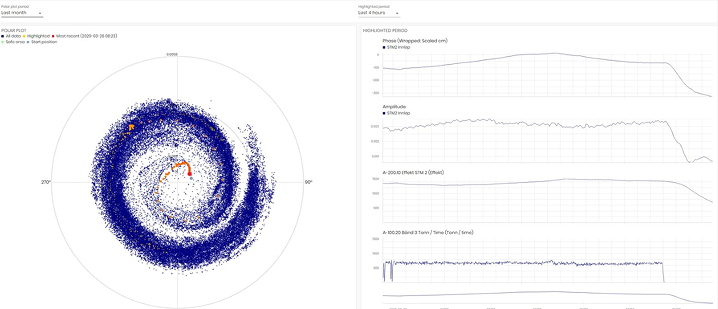
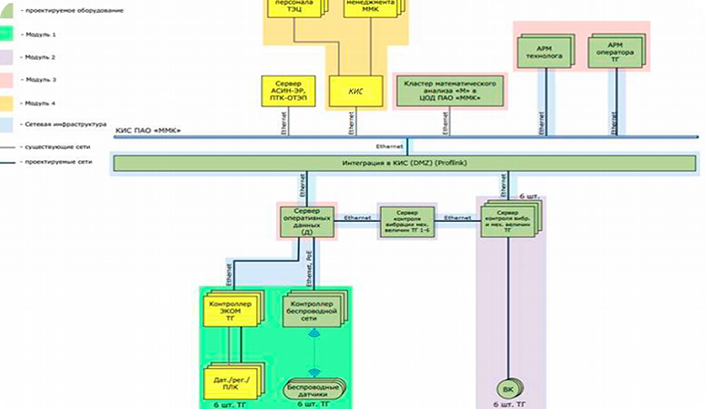
Sensors (microphones, accelerometers, current clamps, radiometers) are installed to capture and process signals. The signals are digitized and sent to the computing module — the system's central analyzer.
Computing module-based analyzer
The computing module performs the following functions: noise filtering from external sources, extraction of informative features (spectral components, amplitude, frequency), classification of the current mill state (underload, optimal load, overload), and calculation of control actions: changing the feed rate of raw material or mill rotational speed.
Final control algorithm
The analyzer continuously reads data from the information field and compares it with reference models obtained under optimal loading conditions. Upon deviation, it issues a command to the actuators (feeder, conveyor, damper). The process repeats in a closed loop, maintaining mill loading within the maximum efficiency zone.
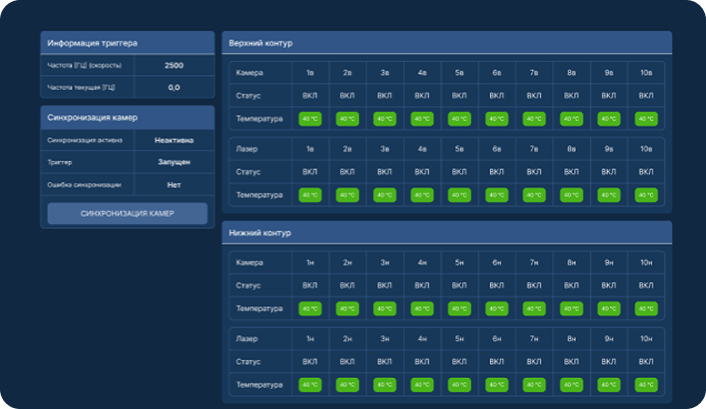
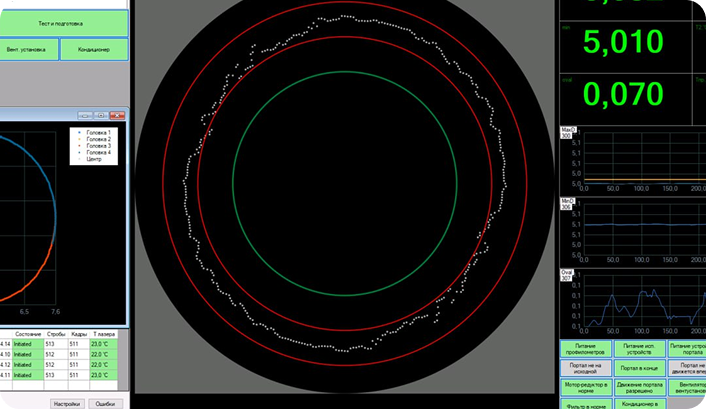
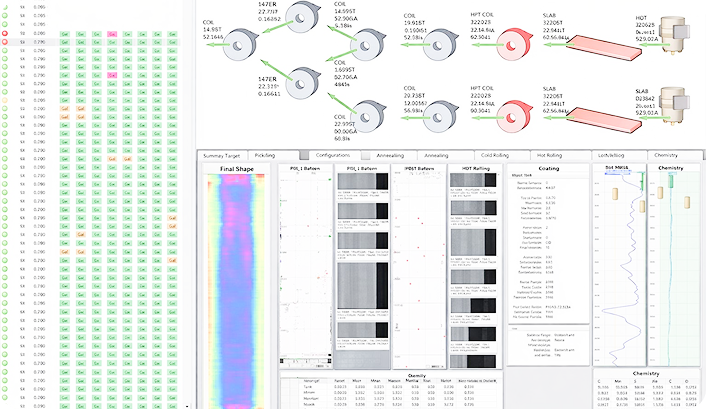
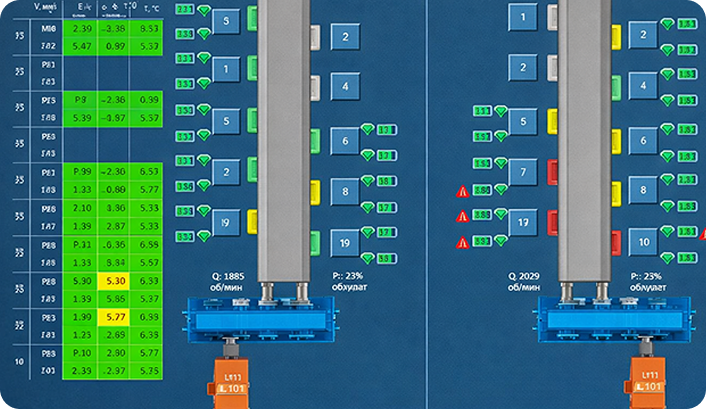
MILL OPERATOR VIEW
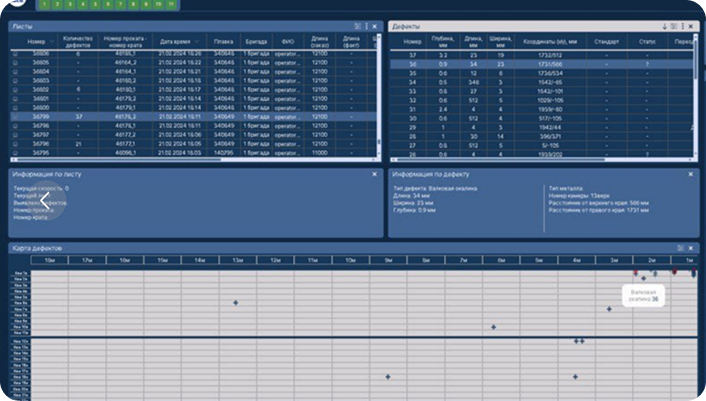
This interface example displays:
1. Full mill discharge
2. Loading via dispenser (via 4-20mA)
3. Main drive motor current (via 4-20mA)