Automated Digital Twin System for CHPP Turbo-units (ASCD-TA): Continuous vibration condition monitoring subsystem

Digital twins for energy saving and increased turbine reliability

OBJECTIVES

Fuel and electricity consumption optimization
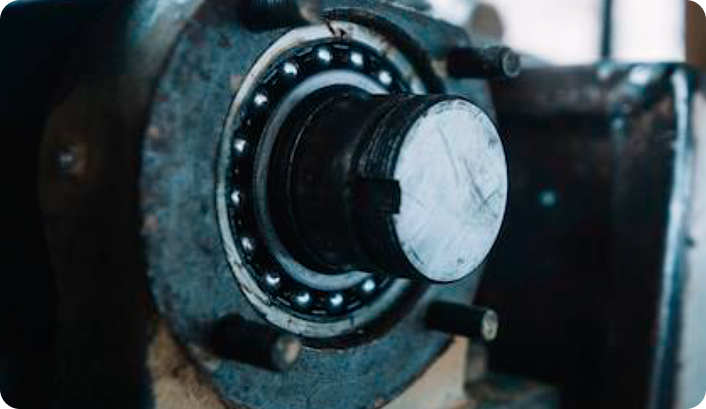
Continuous vibration monitoring allows early detection of even minor imbalances, misalignments, or bearing defects. Operating equipment with excessive vibration leads to additional energy losses due to friction and sub-optimal load distribution. The digital twin helps maintain operating modes where vibration levels do not exceed minimum allowable values, thereby reducing specific steam, gas, or other fuel consumption per 1 MWh generated. Implementation is estimated to save up to 3–5% in energy resources by eliminating hidden vibration-related losses.
Reduction in emergency and major repairs
The continuous vibration monitoring subsystem generates trends and alerts maintenance personnel as critical values approach. Consequently, repairs can be planned in advance rather than performed as emergency responses after node failure. This prevents secondary damage (e.g., blade or seal destruction), which significantly increases restoration costs. As a result, expenditures on spare parts, contractor services, and equipment downtime are reduced by 20–40% annually (based on similar CHPP implementations).
Optimal loading and resource extension
A digital twin based on vibration data allows operators to select the most advantageous turbo-unit operating modes (e.g., adjusting electrical or thermal loads) without exceeding safe vibration limits. The system continuously advises whether it is possible to temporarily increase power or reduce it to handle peak loads while remaining in the safe zone. This increases overall efficiency of the CHPP turbine section, improves maneuverability, and extends the time between overhauls by 15–25%. Additionally, operational constraints caused by uncertainty regarding vibration status are reduced.

SYSTEM FUNCTIONALITY

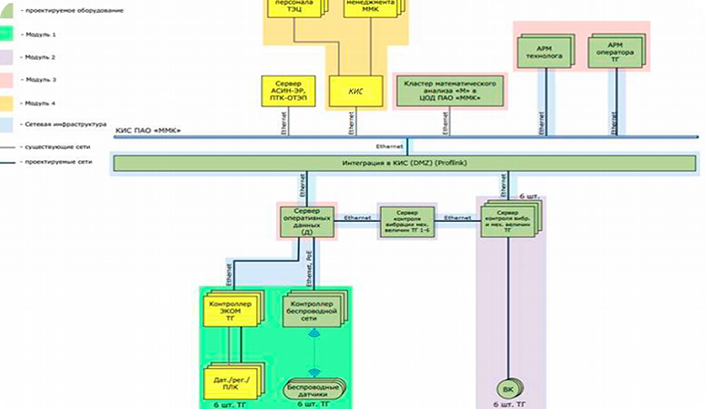
The system continuously tracks key energy indicators, refines turbo-unit specifications, evaluates heat consumption for district heating, and monitors vibration — all to enhance the efficiency and reliability of CHPP operations.

Energy indicators

The system determines current values for main energy indicators of turbo-units in real-time (specific heat consumption, electricity generation, efficiency, etc.).

Specification refinement

Based on factual data, energy characteristics of turbo-units are refined, allowing for the correction of standard operating modes and improved planning accuracy.

Heat consumption for district heating

Operational assessment of heat consumption for district heating is performed, helping to optimize the balance between electricity and heat generation.

Vibration diagnostics

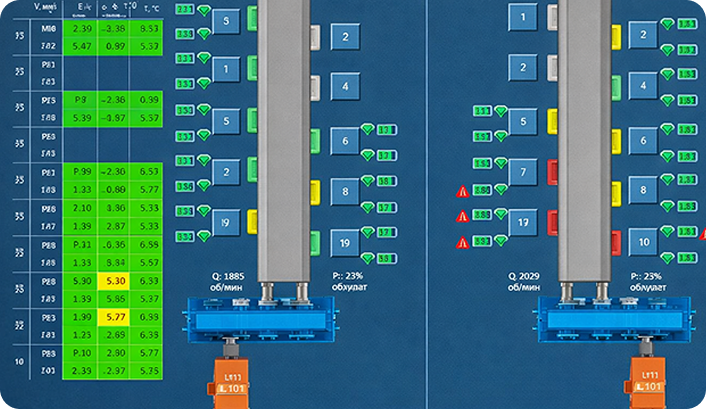
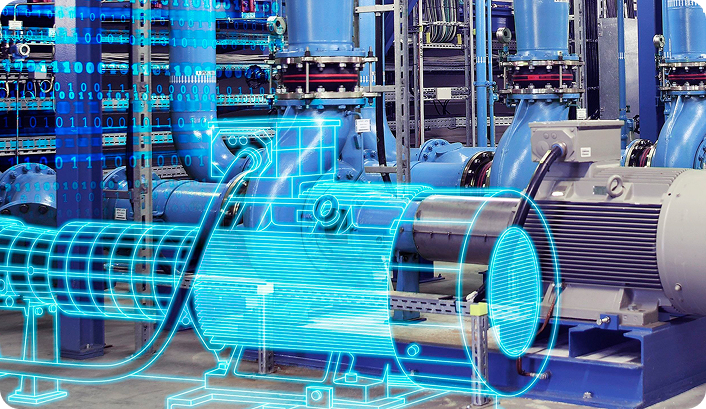
Continuous monitoring and diagnostics of equipment vibration status are performed with early detection of deviations and forecasting of defect development.

RESULTS

Increase in the overall station efficiency index by 0.7%.
Back to projects Discuss a project
Client
Location
CHPP (Combined Heat and Power Plant)
Year
2022

SIMILAR PROJECTS
 RESEARCH & DEVELOPMENT  •  ИННОВАЦИИ В ПРОМЫШЛЕННОСТИ  •